


The development of modern technology has opened new possibilities for artists and creative professionals. One of the most interesting trends today is the growth of e-ink digital art, which combines the simplicity of traditional drawing with the convenience of modern digital tools. Unlike conventional displays, electronic paper screens mimic the appearance of real paper, creating a natural and comfortable space for visual creativity.
Many artists are now exploring e-ink art as a new way to sketch ideas, experiment with minimalistic illustrations, and create concept designs. Because these displays reduce glare and visual fatigue, they are especially appealing for long creative sessions. Instead of working with bright screens for hours, artists can focus on their drawings in a calmer and more natural environment.
As digital tools continue to evolve, electronic paper tablets are becoming useful not only for reading and writing but also for artistic expression. Designers, illustrators, and creative thinkers increasingly use these devices to capture ideas quickly and develop early stages of their projects.
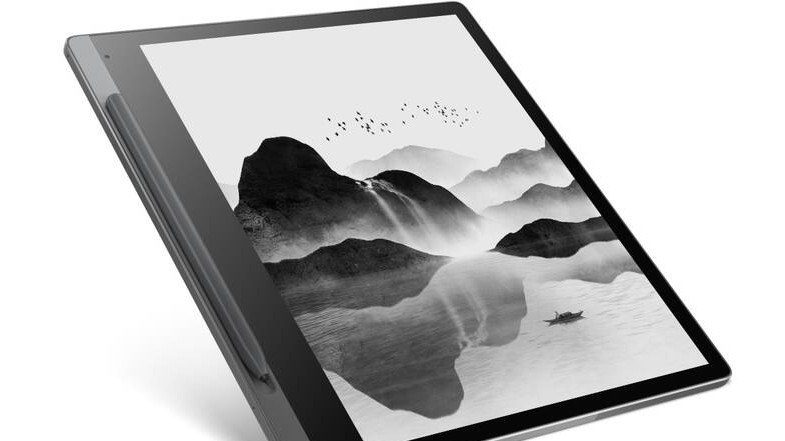
What Is E Ink Art and Why Artists Are Exploring It
E-ink art refers to creative work produced or displayed on electronic paper screens that simulate the look of traditional printed content. Unlike bright LCD or OLED displays, these screens create images that resemble ink on paper. Because of this visual style, the technology sits somewhere between digital tools and traditional artistic methods.
Many artists are interested in e-ink art because of its simplicity and focus on essential elements such as lines, shapes, and composition. Since many displays are monochrome, artists naturally concentrate on structure and contrast rather than color complexity.
Another reason creators explore this medium is comfort. Electronic paper displays produce very little glare and do not continuously refresh like standard screens. This makes them easier on the eyes and allows artists to work for longer periods without discomfort. As a result, these devices are becoming popular among designers, illustrators, and visual thinkers who value a distraction-free creative space.
How E Ink Technology Works for Artists
The technology behind these displays relies on tiny microcapsules containing charged particles. When electricity is applied, the particles move and create visible shapes on the screen. This process produces an image that closely resembles printed material.
For artists, this approach offers several benefits. The display reflects ambient light instead of producing its own glow, which helps reduce eye strain during long drawing sessions. In addition, many devices support stylus input, allowing creators to draw directly on the screen with a natural and responsive feel. This combination of digital flexibility and traditional drawing sensation makes electronic paper devices appealing tools for creative work.
Creating Digital Art on an E-Ink Tablet

Producing digital art on e-ink tablet devices provides a different experience compared with traditional drawing screens. Many artists describe the feeling as similar to working in a physical sketchbook rather than on a typical digital device.
When creating digital art on e-ink tablet systems, artists usually draw with a stylus that interacts with pressure-sensitive layers on the screen. This allows them to sketch lines, shade areas, and quickly capture visual ideas. The interface of many tablets is intentionally simple, helping creators stay focused on their artwork instead of navigating complicated software menus.
Because these displays are usually monochrome, they are often used for sketching, outlining, and concept development. Early drawings created on these tablets can later be refined on other digital platforms if necessary. For many artists, the device becomes a portable digital notebook where creative ideas begin.
Best Types of Art for E Ink Screens
Certain styles of artwork work particularly well on electronic paper displays. Minimalist illustrations, line drawings, and quick sketches benefit from the clear contrast of monochrome screens.
Artists commonly use these devices for several creative activities:
- sketching early ideas and visual concepts
- creating minimalist illustrations and line art
- practicing shading and drawing fundamentals
- developing concept art for larger projects
- experimenting with perspective and composition
Because the display resembles real paper, these activities feel natural and intuitive. Many artists treat the tablet as a digital sketchbook where they can freely explore ideas before refining them in other creative software.
Why Artists Choose an E Ink Drawing Tablet
An e-ink drawing tablet offers several advantages that attract artists who prefer a natural drawing environment. Many devices feature textured surfaces that create a subtle resistance when used with a stylus. This produces a paper-like feeling that many creators find more comfortable than drawing on smooth glass screens.
Another benefit of an e-ink drawing tablet is battery efficiency. Since the display consumes energy only when the image changes, these devices often last significantly longer than traditional tablets. Artists can work for days or even weeks before needing to recharge.
The table below compares an E Ink drawing tablet with a traditional drawing tablet.
|
Feature |
E Ink Drawing Tablet |
Traditional Drawing Tablet |
|
Screen technology |
Electronic paper display |
LCD or OLED display |
|
Eye comfort |
Minimal eye strain during long sessions |
Eye fatigue possible after long use |
|
Drawing feel |
Paper-like surface with stylus |
Smooth glass surface |
|
Battery life |
Very long battery life |
Requires frequent charging |
|
Color support |
Mostly black and white |
Full color support |
|
Best use |
Sketching, notes, concept art |
Detailed digital painting |
|
Glare |
Almost no glare |
Screen reflections possible |
Using E Ink Tablets for Drawing: Practical Experience
Many creators enjoy using e ink tablets for drawing because these devices support a simple and focused workflow. Instead of switching between many complex tools, artists can concentrate on capturing ideas quickly and naturally.
In practice, using e ink tablets for drawing works especially well for sketching, brainstorming, and developing early concepts. Designers often use these tablets during meetings to visualize layouts, while illustrators sketch rough compositions before moving their work to more advanced design software.
Another advantage is portability. These devices are usually lightweight and easy to carry, making them convenient tools for travel, outdoor sketching sessions, or creative work on the go.
Tips for Drawing on an E Ink Tablet
To achieve better results, artists often start with simple sketches and gradually refine their ideas. Clear line work and strong contrast help drawings stand out on monochrome displays.
It is also useful to approach the tablet like a traditional sketchbook. Instead of focusing on perfect results immediately, artists can experiment with shapes, layouts, and compositions. Over time, this approach helps build a collection of creative concepts that can later evolve into more detailed projects.
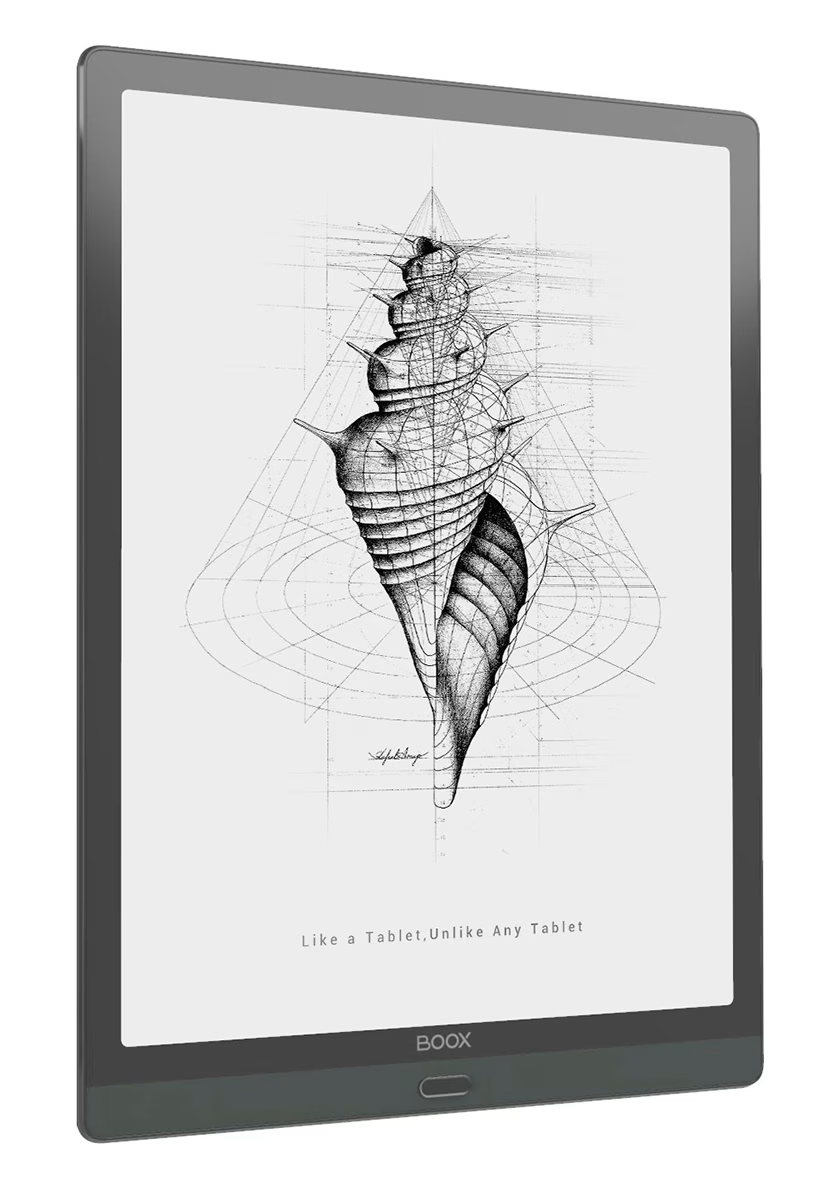
E Ink Display Art: A New Way to Showcase Digital Creations
In addition to the creative process, technology is also changing how artwork can be presented. E ink display art refers to digital works shown directly on electronic paper screens, often used as digital frames or part of modern art installations.
Because these displays resemble printed images, they present artwork in a clean and elegant way. Some artists use them to display rotating collections of illustrations or photography. Others install electronic paper displays in studios, galleries, or offices to create modern visual exhibitions.
As the technology continues to develop, e-ink display art may become an increasingly popular method of presenting digital creations while maintaining the visual qualities associated with traditional printed artwork.
FAQ
1. What is E Ink art?
What is E Ink art?
2. Can artists create digital art on an E Ink tablet?
Can artists create digital art on an E Ink tablet?
3. Is an E Ink drawing tablet good for artists?
Is an E Ink drawing tablet good for artists?
4. What types of artwork work best on E Ink screens?
What types of artwork work best on E Ink screens?
5. What is E Ink display art used for?
What is E Ink display art used for?