

Over the past two decades, electronic paper systems have transformed the way people read and interact with digital content. The evolution of e ink technology began with simple monochrome screens designed to replicate the appearance of printed text. These early solutions quickly became popular because they offered a paper-like reading experience and significantly reduced eye strain compared with traditional LCD screens.
As the field matured, engineers and developers started working on a new challenge — introducing color e ink while maintaining the unique advantages of electronic paper. The emergence of color e ink technology marked an important milestone in the development of modern digital reading solutions. By gradually improving materials, layered structures, and pigment behavior, researchers have pushed the boundaries of what these systems can achieve.
Today, color e ink represents the next stage in the long journey toward more advanced and versatile electronic solutions. The goal is to combine richer visual presentation with the same energy efficiency and readability that made electronic displays popular in the first place.

The Early Evolution of E Ink Technology
The story of electronic paper began with the goal of creating a screen that could mimic printed ink on paper. Unlike conventional monitors that emit light, electronic systems reflect ambient light, making them easier to read for long periods. This concept quickly attracted interest from companies developing digital reading devices.
The early stages of the evolution of e ink technology focused mainly on improving contrast, readability, and energy efficiency. Initial solutions were limited to black and white images, but they provided excellent clarity and extremely low power consumption. These features made them ideal for e-readers and other portable devices.
Over time, researchers improved the structure of electronic screens, refining how particles move within the active layer and enhancing overall image stability. These improvements laid the foundation for future innovations, including the possibility of introducing color e ink capabilities.
How Traditional E Ink Displays Work
Traditional electronic systems operate using microscopic capsules filled with charged particles. These particles move when an electric field is applied, forming visible text or images on the screen. Because the image remains stable without constant power, the approach is highly energy efficient.
This mechanism allows electronic screens to maintain an image without continuous energy consumption. As a result, devices based on this principle can operate for weeks on a single charge. The paper-like appearance and low energy usage became defining characteristics of the system and helped establish its popularity in digital reading devices.
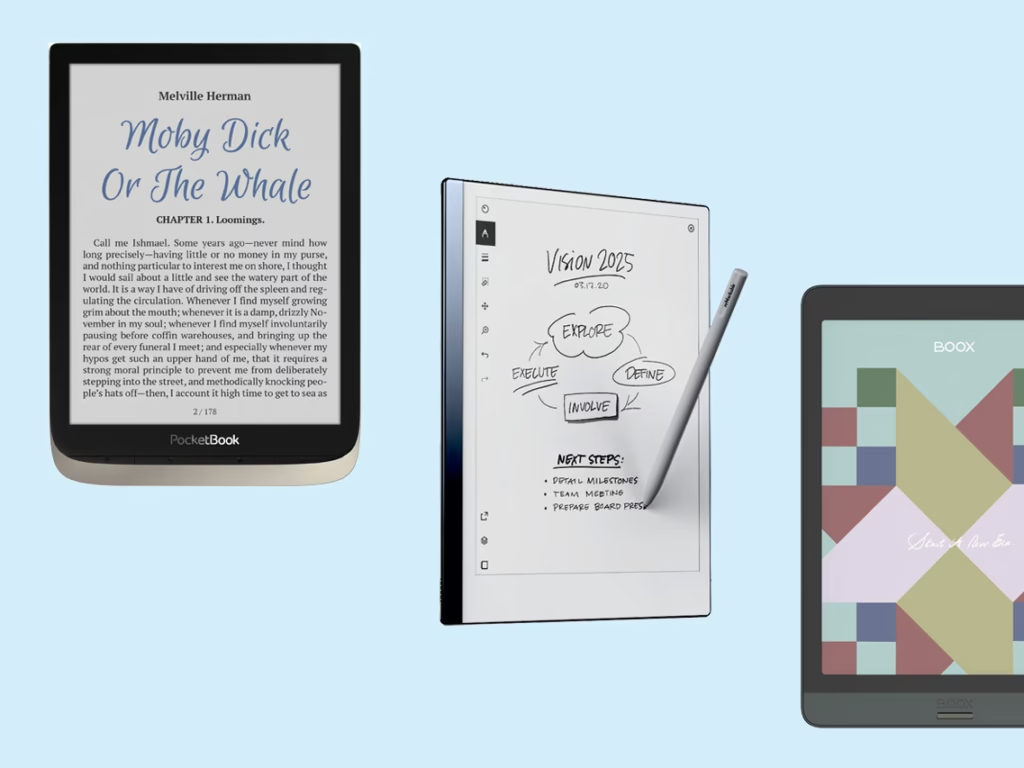
The Beginning of Color E Ink Development
Introducing color e ink development into electronic systems presented a significant technical challenge. The original monochrome design was optimized for clarity and simplicity, but adding additional pigments required new engineering approaches.
The early phase of color e ink development focused on experimenting with layered structures and filter systems. Engineers attempted to combine traditional electronic displays with additional layers capable of reproducing basic visual tones while maintaining readability.
Although these early attempts showed promise, they also revealed limitations. Image brightness sometimes decreased because additional layers reduced reflected light. Despite these challenges, ongoing research continued to improve the reliability and visual quality of electronic screen systems.
Breakthroughs in Color E Ink Technology
Recent years have brought major breakthroughs in color e ink technology. Advances in materials science and pigment control have made it possible to produce more accurate tones and clearer visual elements on electronic screens.
One of the key factors behind these improvements has been ongoing color e ink innovation, which focuses on refining pigment layering techniques and improving how particles interact within the electronic structure. These innovations have helped expand the capabilities of electronic displays beyond simple monochrome functionality.
The progress of electronic systems can be seen through several stages of development.
| Generation | Technology | Key Improvement |
| Early E Ink | Black and white screens | Basic electronic system |
| First color attempts | Filter-based systems | Initial visual support |
| Advanced electronic systems | Improved pigment layering | Better brightness and contrast |
| Modern electronic systems | Enhanced pigment control | Wider tonal range and improved clarity |
These advancements demonstrate how electronic displays continue evolving toward richer visual presentation.
Advantages of Color E Ink Displays

Modern color e ink display solutions offer several important advantages compared with traditional digital screens. Because electronic displays reflect ambient light instead of producing their own illumination, they remain comfortable for long reading sessions.
Another advantage is energy efficiency. Electronic screens consume power only when the image changes, which allows devices using this approach to operate for extended periods without frequent charging.
Electronic displays also perform well in bright environments such as sunlight, where conventional monitors often struggle with reflections.
Key Benefits of Color E Ink Technology
The growing popularity of color e ink technology is largely driven by several practical advantages:
- natural paper-like viewing experience
- significantly reduced eye strain compared with traditional monitors
- extremely low power consumption and long battery life
- excellent visibility in bright lighting conditions
- improved presentation of charts, graphics, and visual content
These features make electronic displays suitable for many applications including digital reading devices, information boards, and modern signage systems.
The Future of Color E Ink Innovation
The next stage in electronic progress will be shaped by continued color e ink innovation. Researchers are exploring new pigment materials, faster refresh systems, and improved visual depth.
As color e ink development continues, the approach may appear in a wider range of devices including educational tools, publishing platforms, advertising panels, and smart interfaces. Improvements in visual quality will allow electronic displays to present richer graphics while maintaining their traditional advantages.
The progress made so far demonstrates that this field is steadily evolving. With ongoing research and engineering improvements, the future of color e ink solutions looks increasingly promising.
FAQ
1. What is the color of ink?
Color e ink is an advanced form of electronic paper that can display colored images and graphics instead of only black and white content. It uses special pigments and layered structures to produce different tones while maintaining the low power consumption and paper-like viewing experience typical of electronic displays.
2. How did the evolution of e ink technology begin?
The evolution of e ink technology began with monochrome electronic paper designed for digital reading devices. Early systems focused on improving readability, contrast, and energy efficiency. Over time, researchers introduced new materials and display structures that eventually made color e ink possible.
3. How does a color e-ink display work?
A color e-ink display works by moving charged pigment particles inside microscopic capsules. By controlling how these particles arrange themselves, the screen forms visible images. In color systems, additional layers or pigment combinations allow the display to reproduce different tones and graphics.
4. What are the advantages of color e ink displays?
Color e-ink displays offer several benefits, including low power consumption, reduced eye strain, and excellent readability in bright light. Because the screen reflects ambient light instead of emitting it, the viewing experience feels closer to reading printed material.
5. What is the future of color e ink innovation?
The future of color e ink innovation is focused on improving brightness, refresh speed, and the range of tones that electronic screens can reproduce. As research continues, these systems may appear in more devices such as educational tools, information displays, and digital publishing platforms.